Practical information to help you feel more confident getting around by bike.
Browse our articles below, use the search to find a specific topic, or start with our Bike Safety & Riding Skills Guide for practical advice on bike control, road positioning, communication, visibility and everyday riding skills.
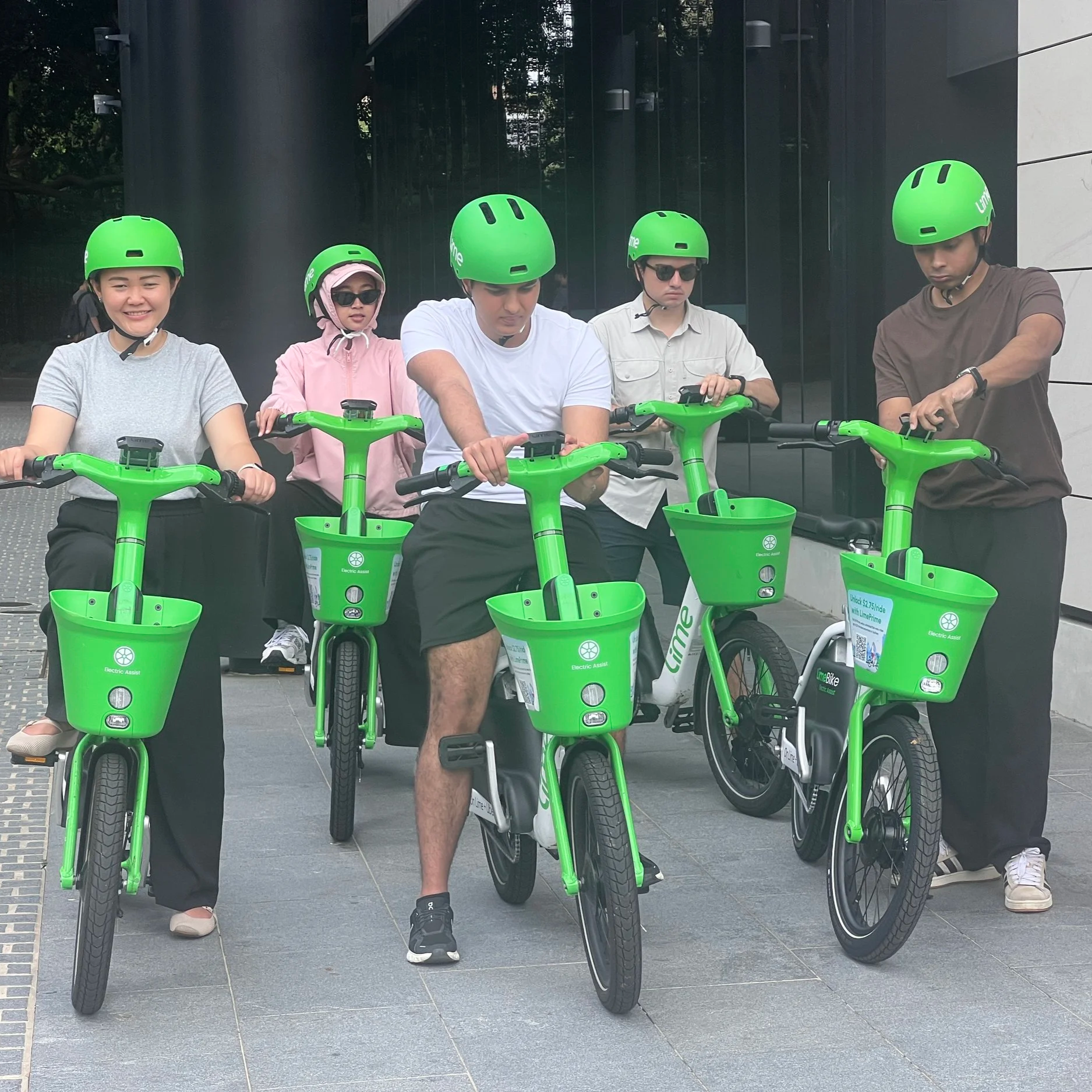
Do E-Bikes Need a Licence or Number Plate in NSW? (And Will It Improve Safety?)
Do e-bikes need a licence or registration in NSW? Learn the laws, safety issues, and why training—not number plates—may be the real solution.
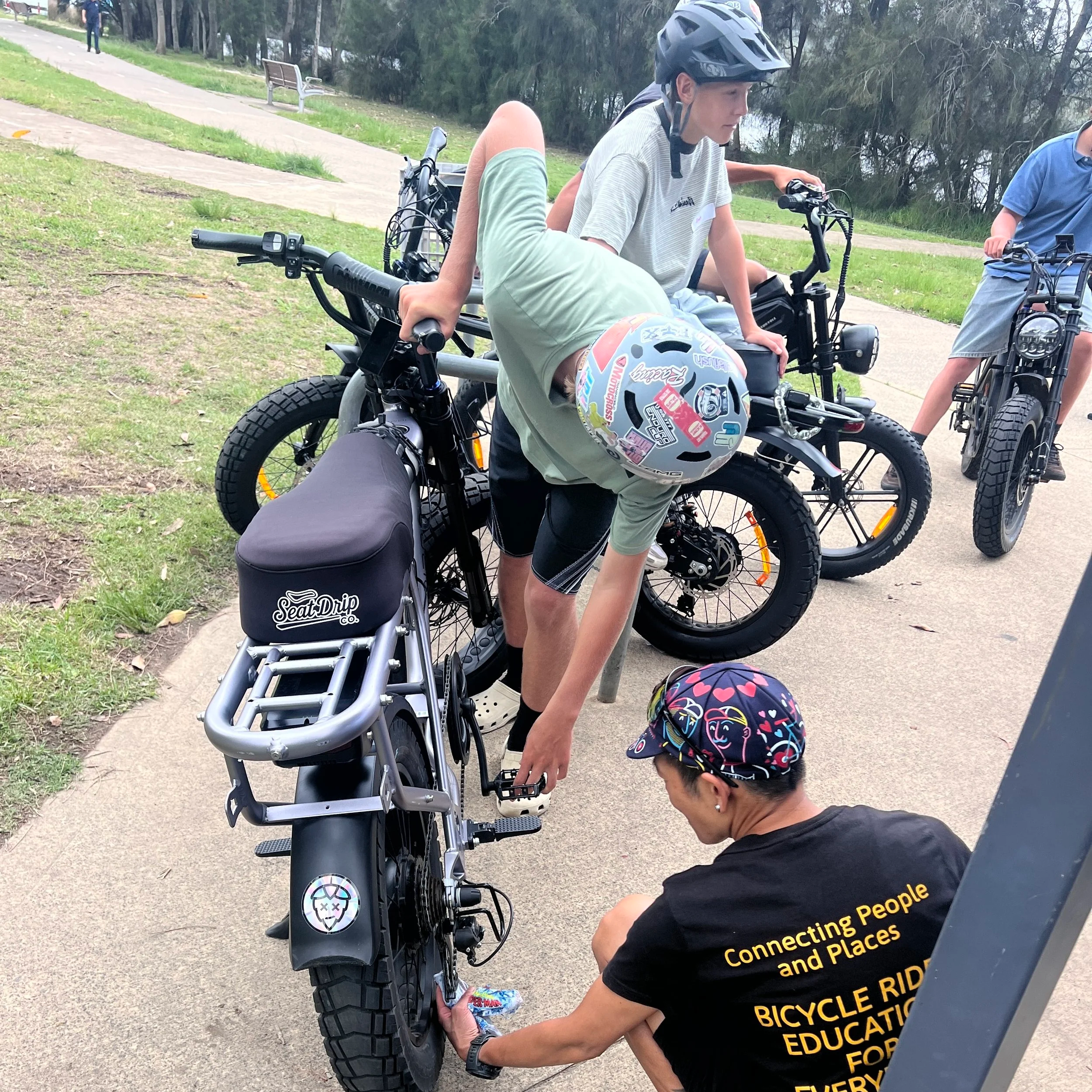
E-Bike Safety Programs for Schools & Councils NSW
Looking for e-bike safety programs for schools in NSW? Practical, face-to-face instruction that builds real riding skills, confidence and safer habits. A simple comparison between theory-based learning and practical instruction. The most effective programs don’t separate theory and practice — they integrate both.
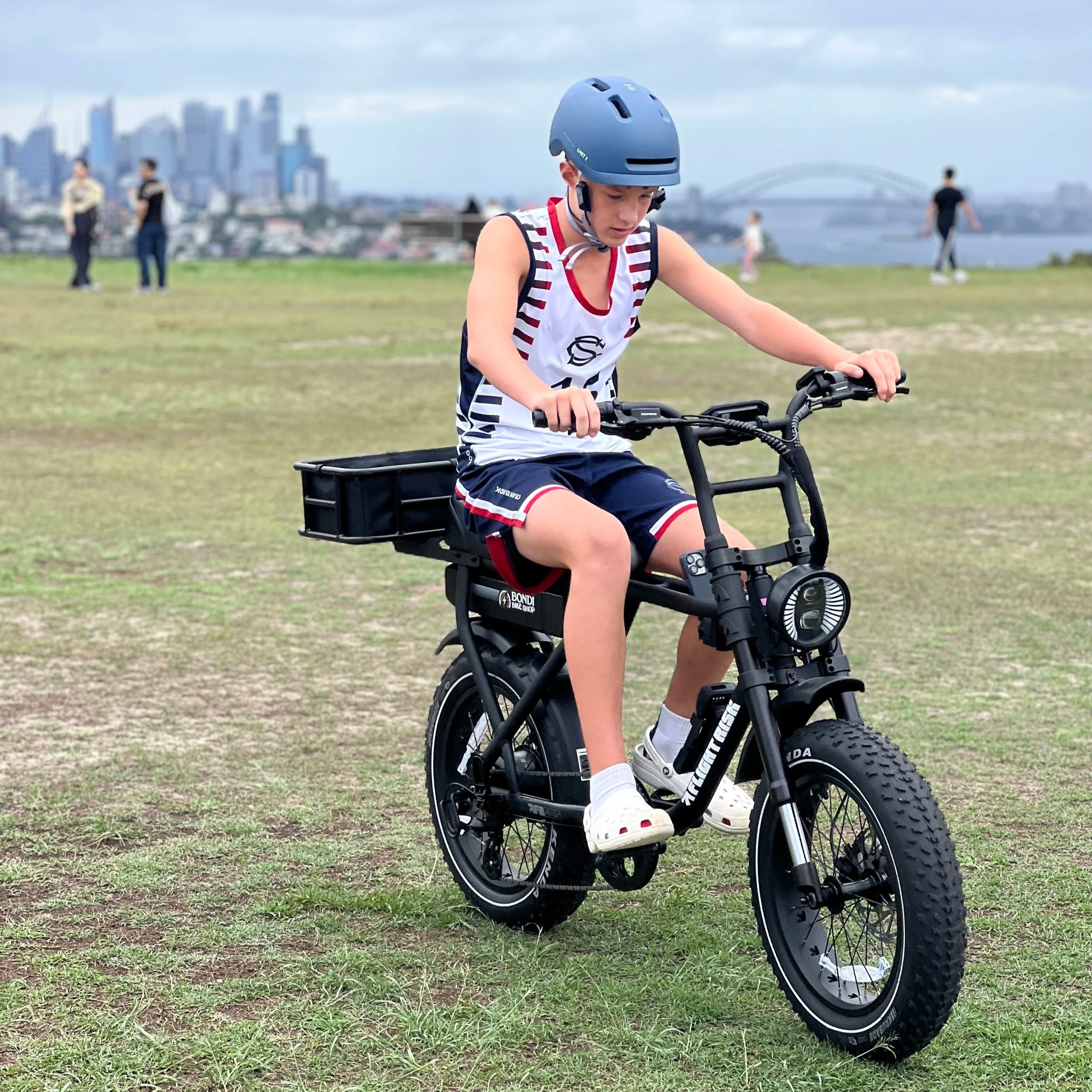
E-bike safety course Sydney: is an online e-bike safety course enough?
Is an online e-bike safety course enough? Learn how face-to-face instruction in Sydney helps riders build real skills, safer habits and confidence on e-bikes.
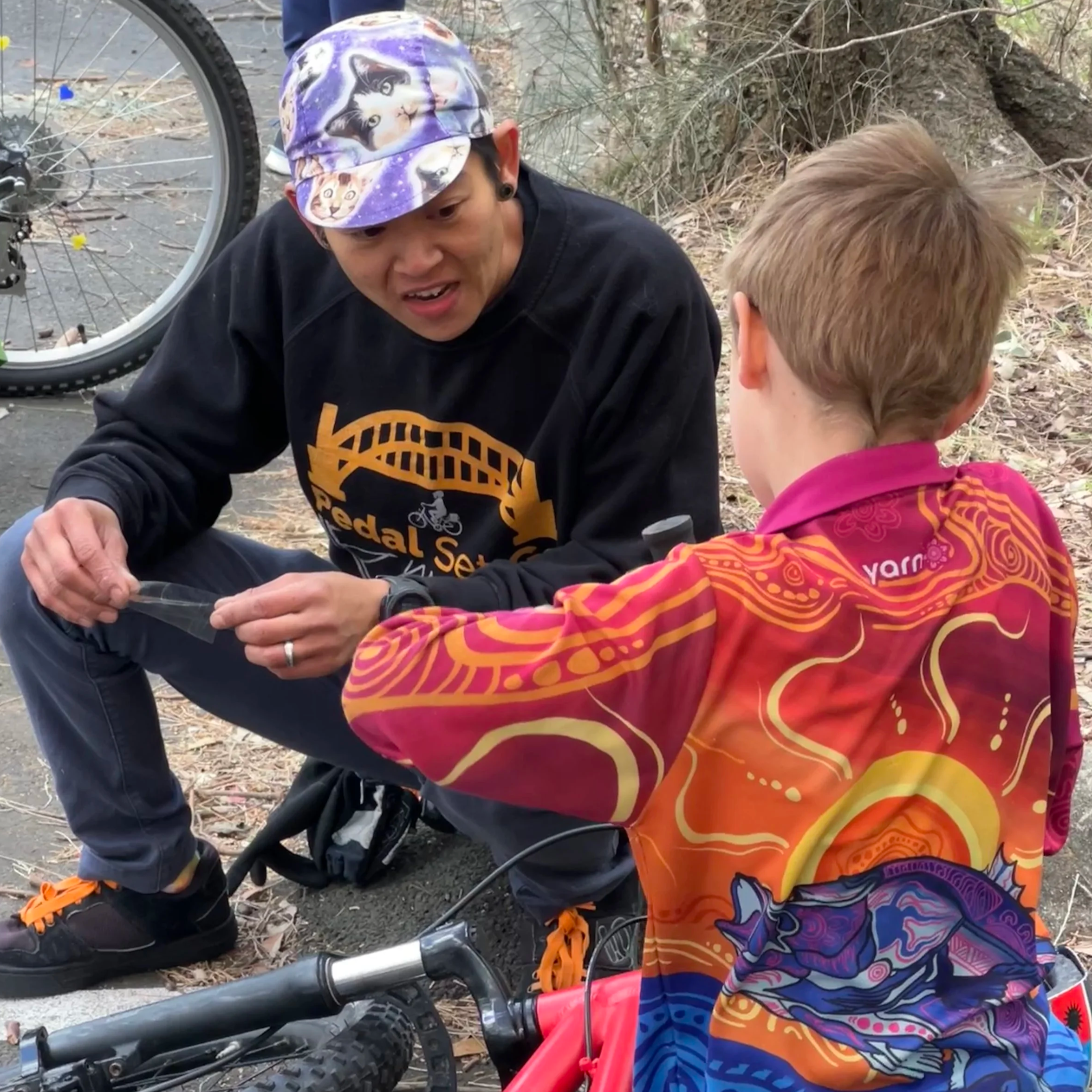
Can Neurodivergent People Learn to Ride a Bike?
Can neurodivergent people learn to ride a bike?
Yes — most neurodivergent people can learn to ride a bike with the right approach. Learning may take more time, different teaching methods, or a balance-first approach, but with patience, support and practice, most riders can successfully learn to ride a two-wheel bike.

Practical tips for new riders — build confidence one ride at a time
Getting pedalling is the hardest step — and it’s perfectly fine not to want to ride like an Olympian. This guide gives practical tips for new riders on saddle soreness, comfortable bike fit (yes — it’s OK to set the seat low), gears, braking and low-stress routes. If you’d like hands-on practice, join Back On Your Bike at our cycling training centre — a short, traffic-free session designed for everybody who rides for transport and comfort.
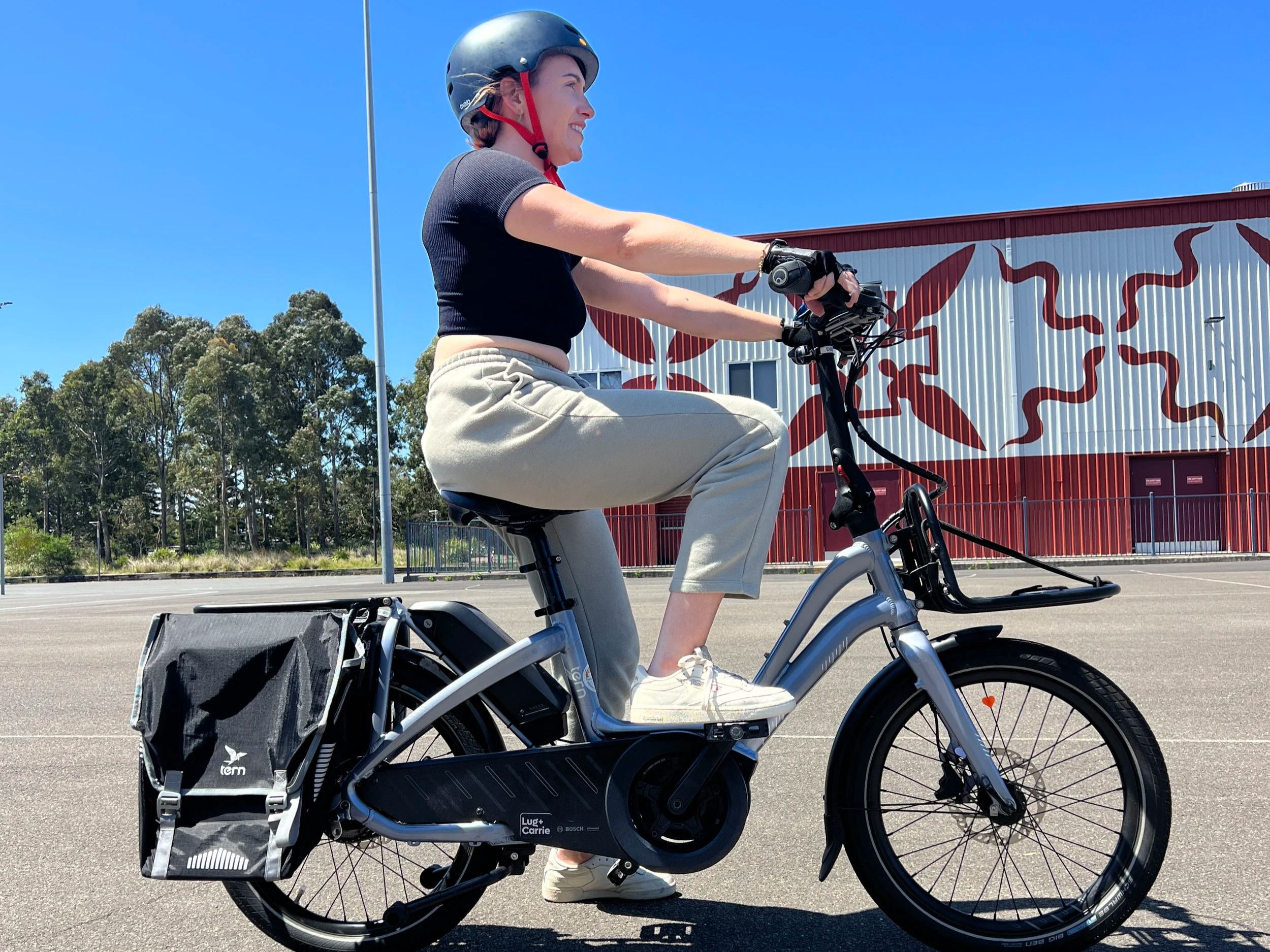
Legal E‑Bike Safety in Sydney: Skills, Streets and the Real Risks
Pedal Set Go is working with everyday riders across Sydney, three truths can comfortably sit together: Legal e‑bikes are safe by design when used as intended. Most of the risk sits in streets and systems designed around heavy, fast motor vehicles. The rest is about habits and skills – which is the part we can directly help with.This blog unpacks: What a legal e‑bike actually is in NSWWhy legal e‑bikes and regular bikes move at similar speeds in real life. How media framing hides the real causes of harm. The role of rider skills – braking, low‑speed control and “lurchy” take‑offs. How our private Confident City Rider course supports e‑bike riders with real‑world practice in Sydney
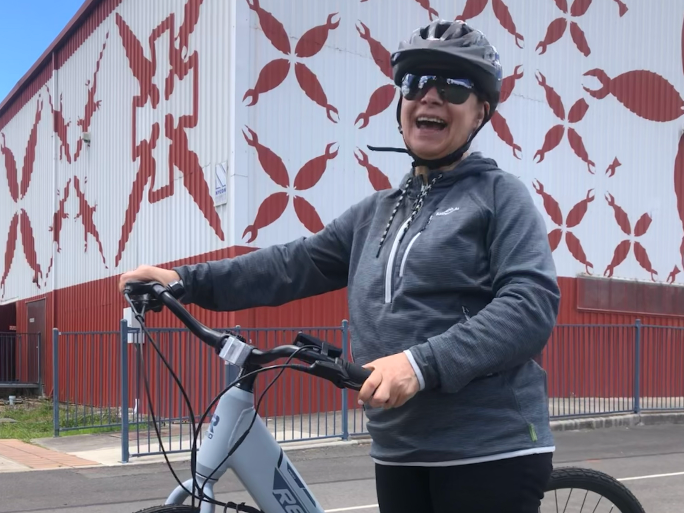
Learn to Ride for Seniors in Sydney – Safer Cycling, Real Benefits
Learn to Ride for Seniors in Sydney: Safe, Supported Cycling with Pedal Set Go
Getting older does not mean giving up bikes. In fact, for many Sydney seniors, riding a bicycle or e‑bike is one of the most practical ways to stay active, connected, and independent.
At Pedal Set Go, a lot of our “new” riders are in their 50s, 60s, and 70s. Some never learned to ride. Some are returning after decades away. Others are trying an e‑bike so they can keep moving despite health conditions or mobility changes.
This post is for older adults (and the people who care about them) who are curious about cycling but worried about falls, osteoporosis, or e‑bike safety in NSW. We will walk through why seniors might want to ride more, what the real risks are, and how our learn‑to‑ride and e‑bike safety sessions reduce those risks while keeping the joy.

Bike Lesson Gift Vouchers in Sydney | Learn to Ride & E-Bike Safety
People love to say “it’s just like riding a bike”, as if once you have learned, you are set for life. In reality, lots of adults never learned properly in the first place, or have been riding for years with habits that make riding harder or less safe – saddle too low, always hugging the gutter, grabbing one brake, or looking down at the front wheel. An online module or video cannot see and correct those habits. A real-life instructor can watch what is happening in your body and your bike, then make small adjustments that completely change how stable and relaxed riding feels.
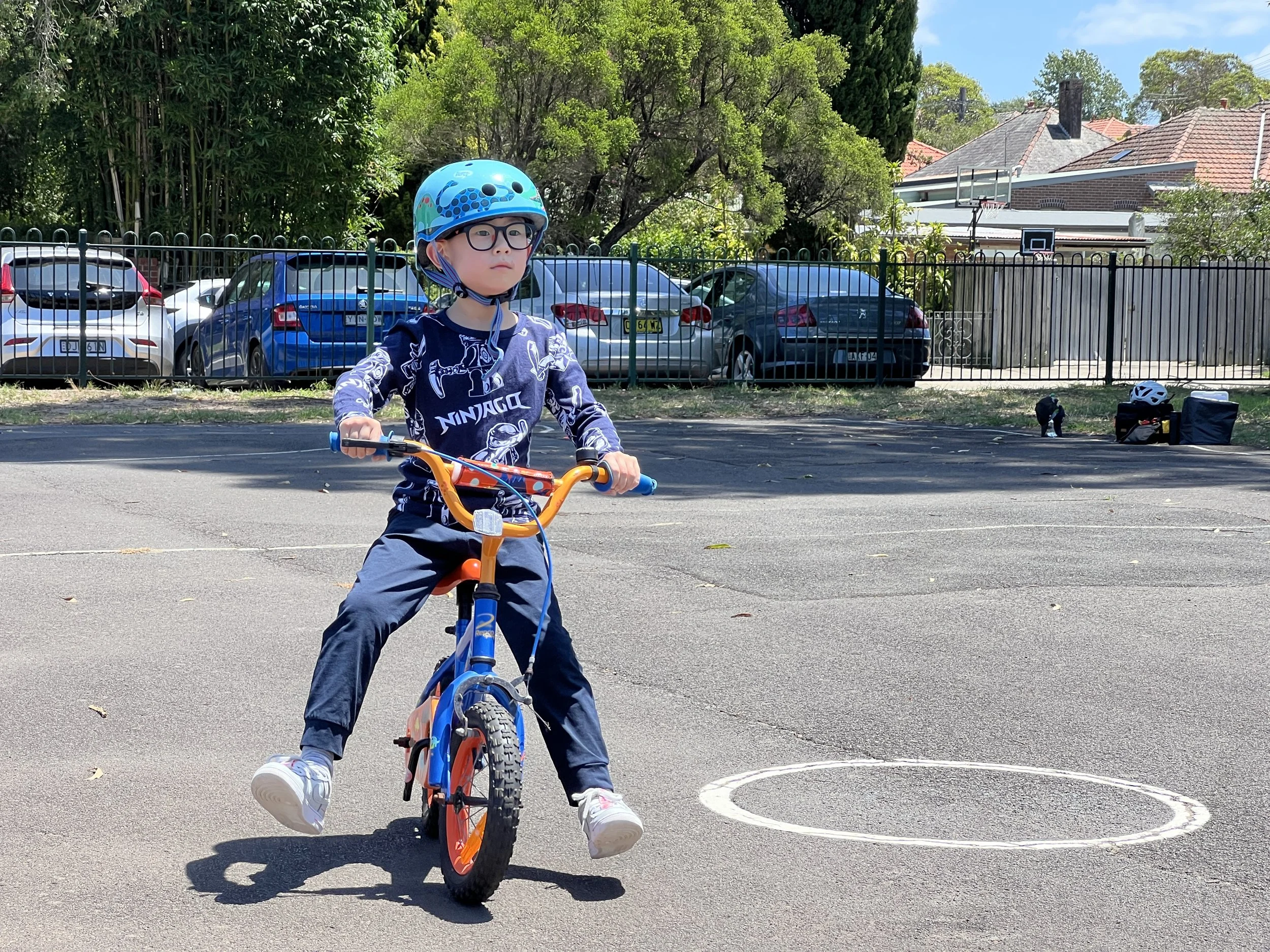
Kids’ bike fit (in cm) — and why adults learning to ride should start low, then raise the seat
How high should a bike seat be? Use inseam and riding skill - not just age or wheel size - to find the right starting point. For kids and adults learning to ride, we explain why starting with a lower saddle can support balance, controlled stopping and confidence, then show how to raise it as skills develop.