Hub and spoke, where Everybody is welcome!
Featured
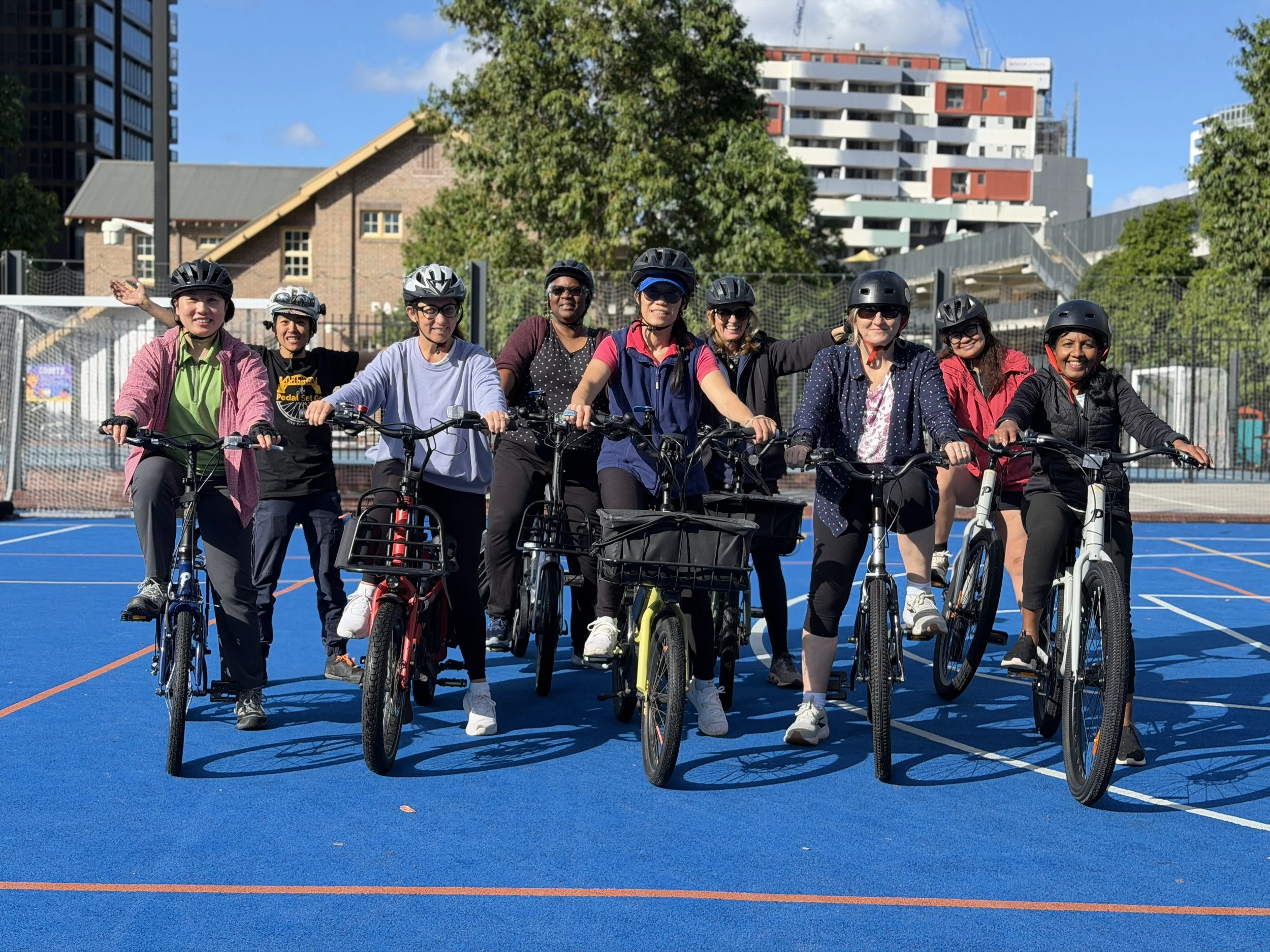
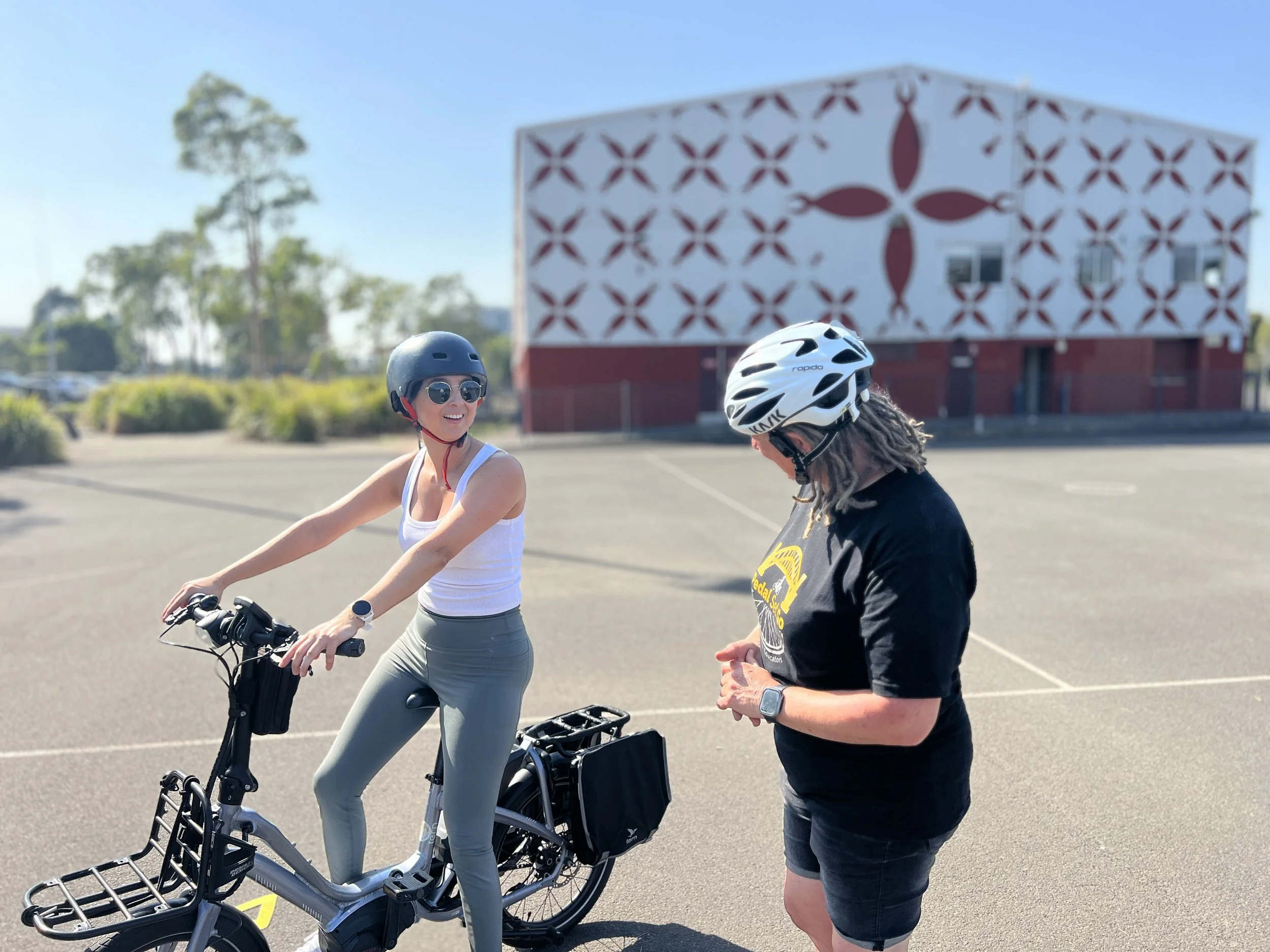
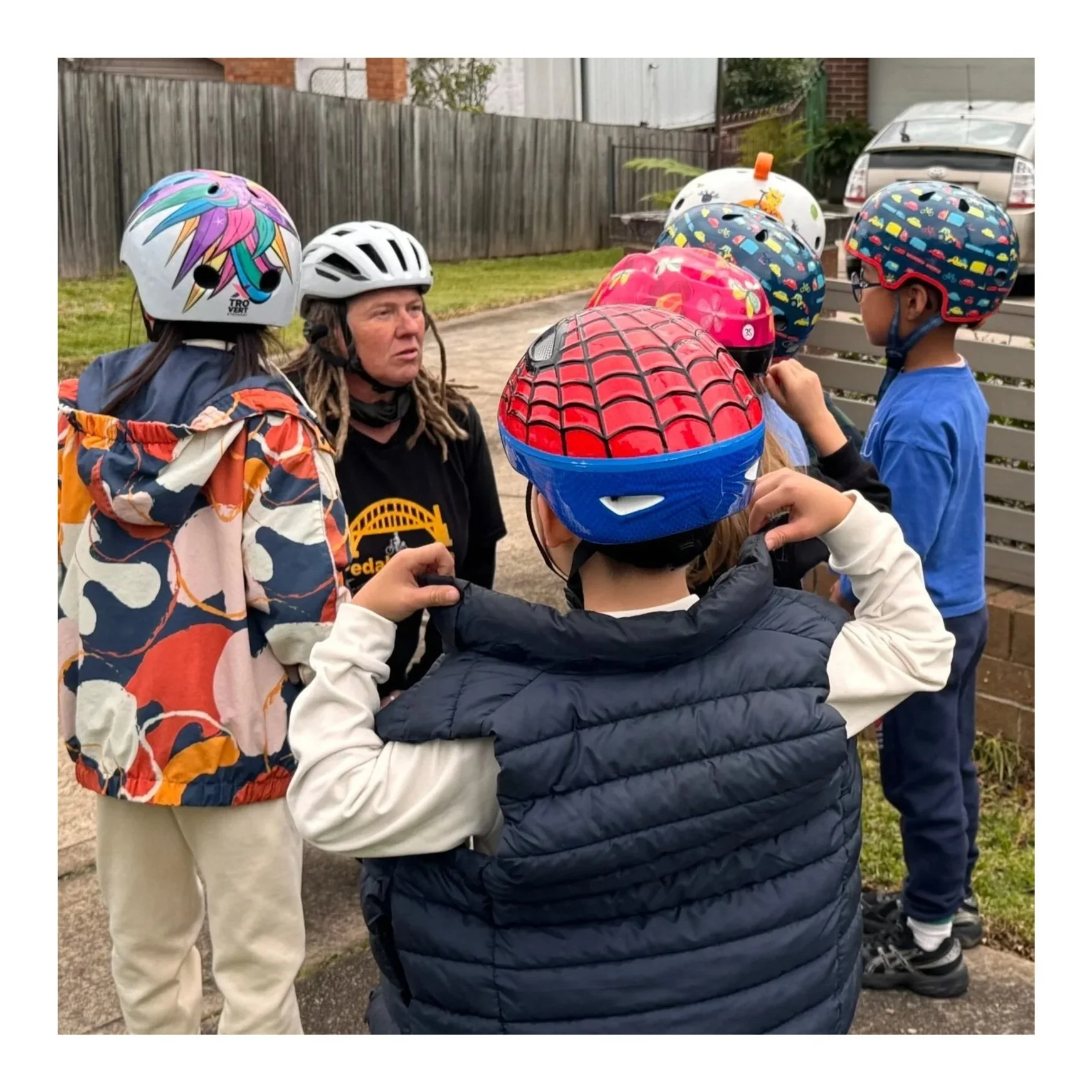
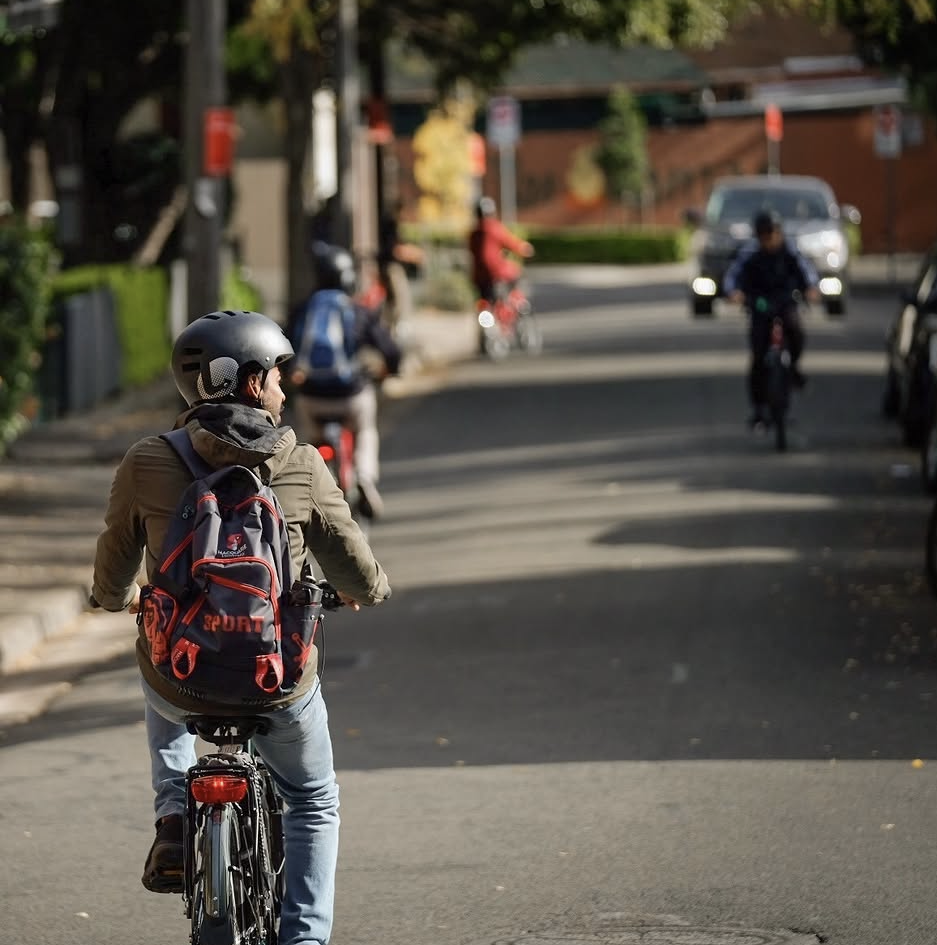
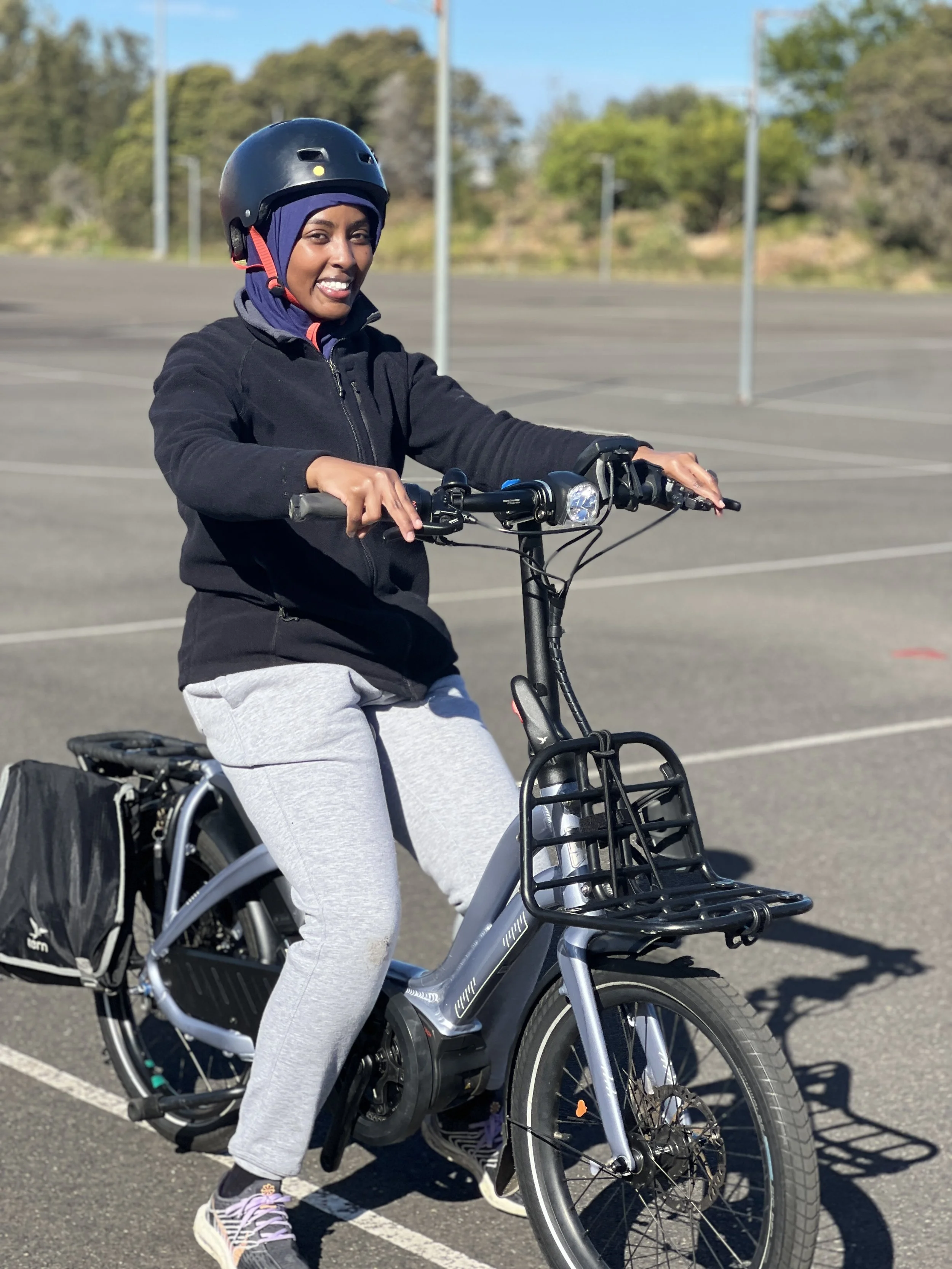
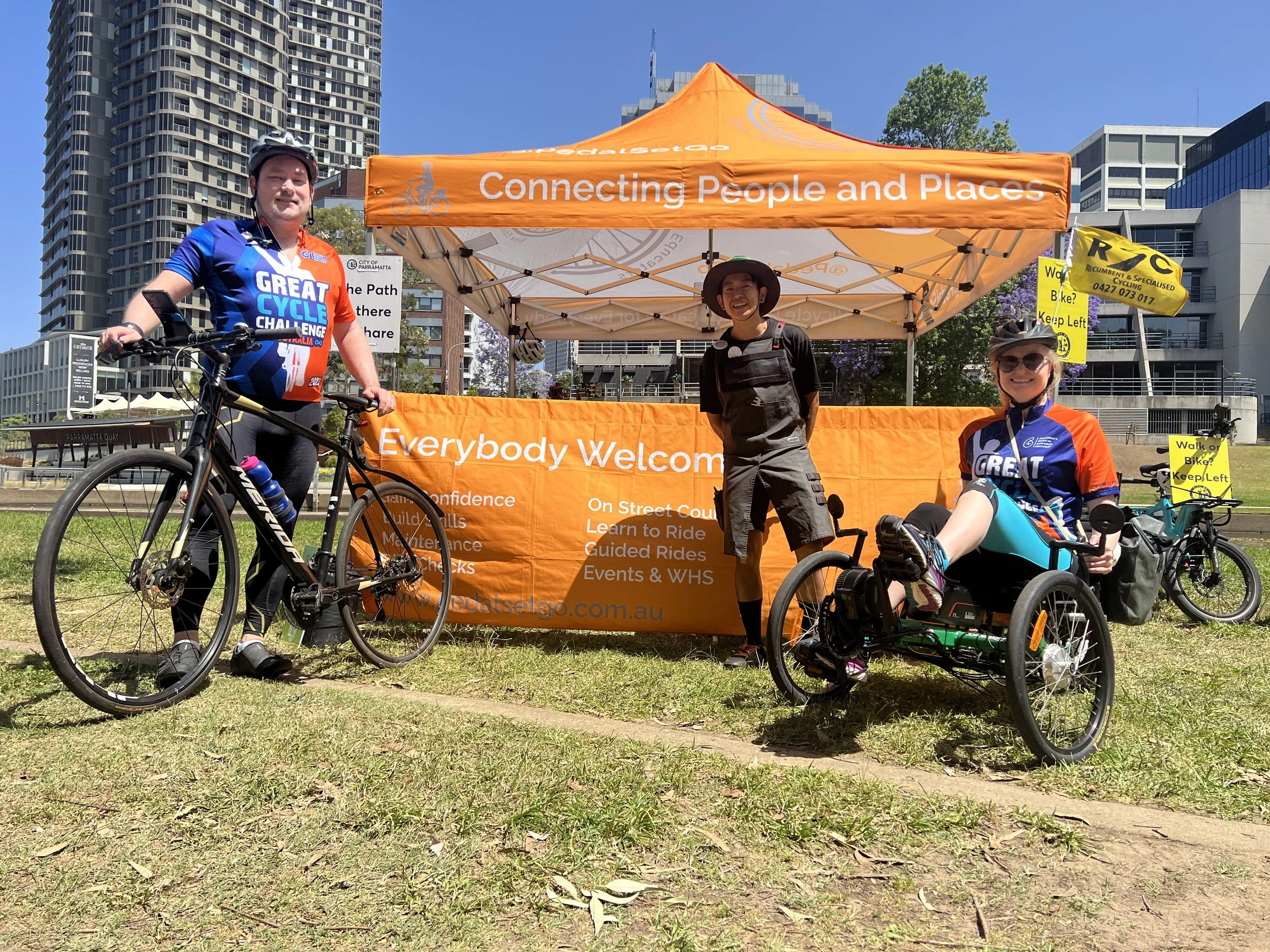
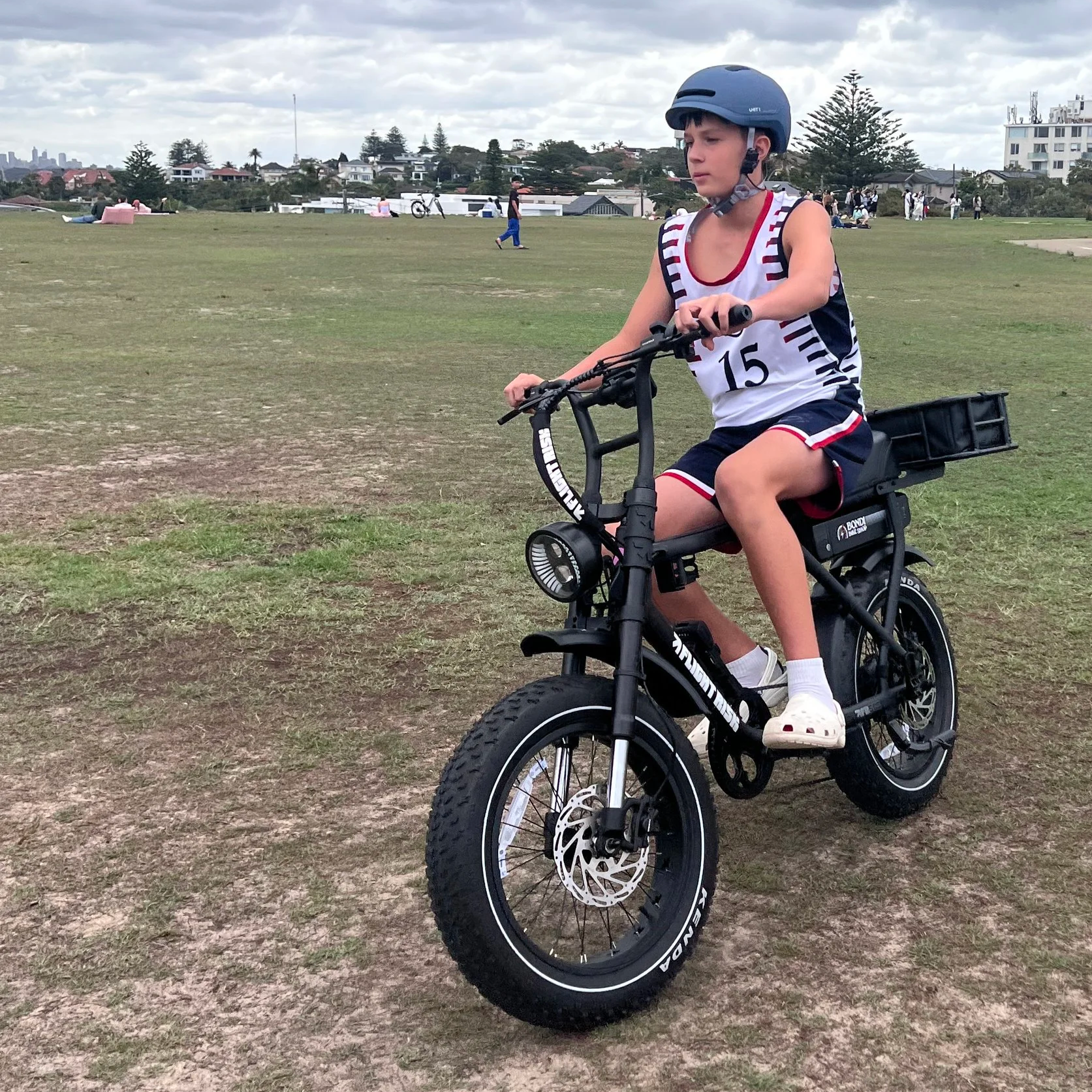
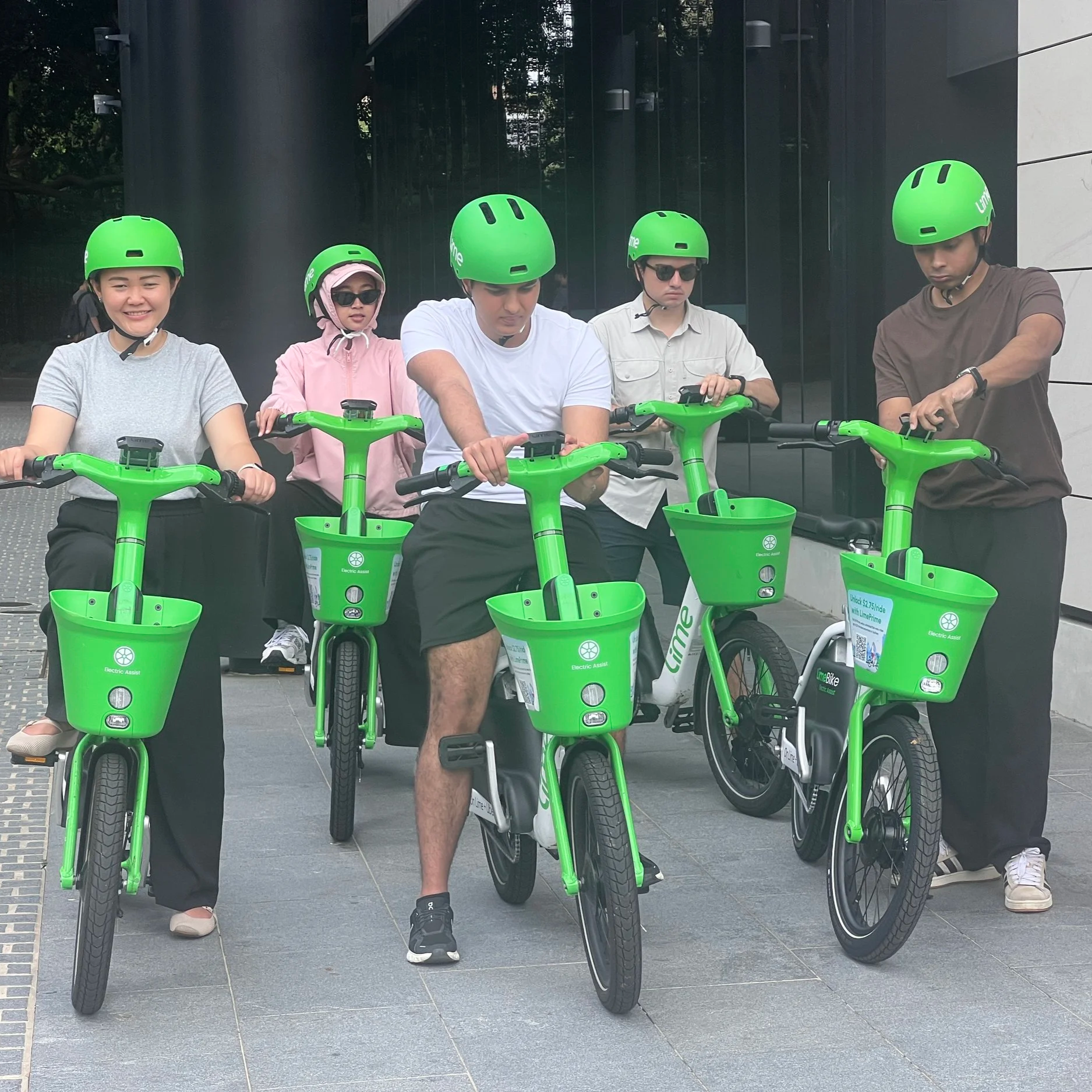
What does a bike educator actually do? Riding and mechanical skills are only part of the work. Effective bike education also relies on communication, listening, behaviour change, road safety and the ability to build confidence. The same applies to community bike maintenance: fixing the bike is valuable, but helping people understand, maintain and safely use it can have a much longer impact.
Been told your bike saddle is too low and will damage your knees? We look at what the research actually says about saddle height, knee load, gears, e-bike assistance and why a lower saddle can sometimes be the right choice for learning and city riding.
A great local bike shop does much more than sell bikes. Discover why building a relationship with a trusted bike mechanic can help keep your bike safe, reliable and enjoyable to ride for years to come.
Children learn safer riding by doing more than memorising rules. Discover how asking the right questions helps build observation, judgement and confidence, and why learning to ride is really about learning to think.
Why don’t cyclists pay rego, and why are they sometimes on the road instead of the cycleway? Here’s the bigger picture — and why more people riding benefits the whole system.
Think it’s too late to learn to ride a bike? Many adults start later in life and succeed. Here’s how the process works and what to expect.
Thinking of buying a tricycle because riding a bike feels too hard? Here’s what we’ve learned from working with real clients — and what to know before you decide.
Teenagers often say they already know how to ride – but real-world bike and e-bike safety is more complex. Here’s what we’ve learned working with teens in Sydney.
Do e-bikes need a licence or registration in NSW? Learn the laws, safety issues, and why training—not number plates—may be the real solution.
Being visible on a bike is about much more than wearing hi-vis. We look at what research tells us about bike lights, reflective clothing and moving legs, and how road position, observation, communication and body language can help other road users notice, recognise and understand you.