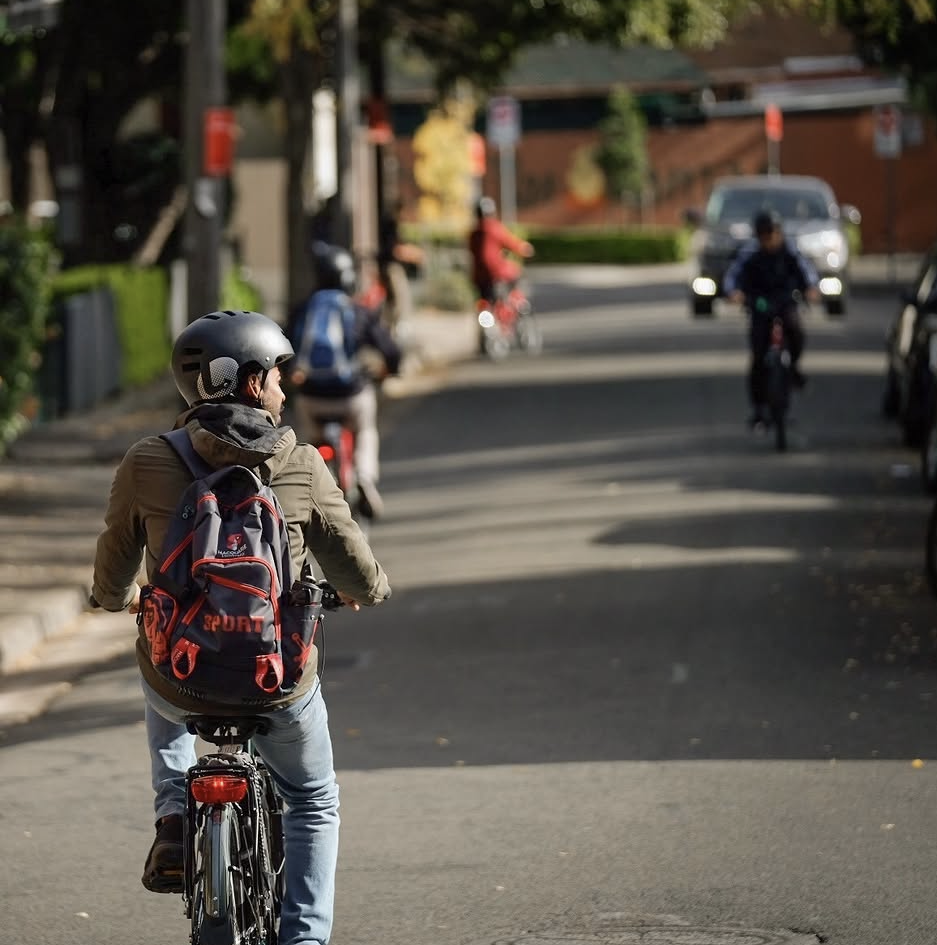
Why Don’t Bike Riders Pay Rego? (And Why They’re Sometimes Still on the Road)
Why don’t cyclists pay rego, and why are they sometimes on the road instead of the cycleway? Here’s the bigger picture — and why more people riding benefits the whole system.
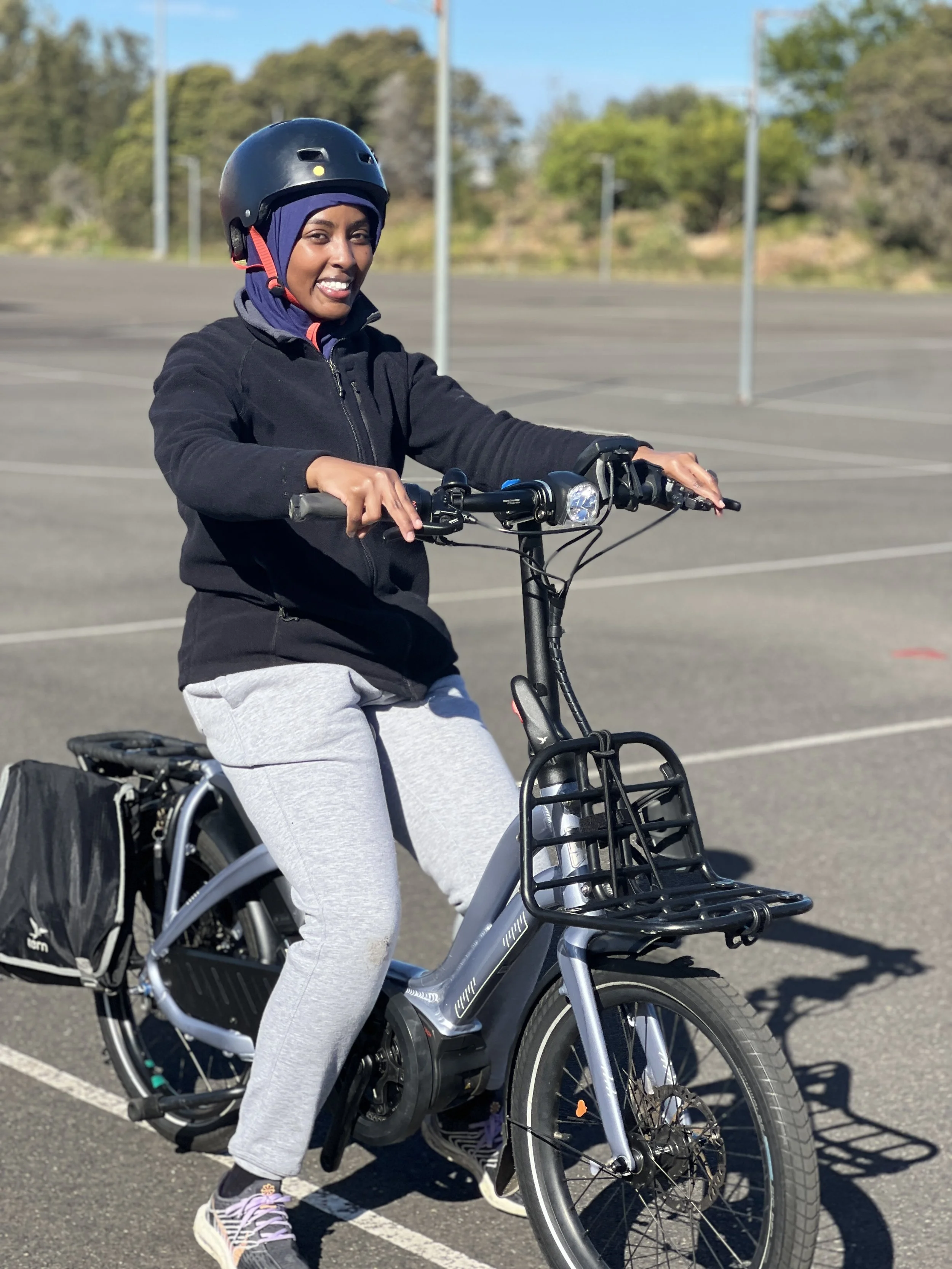
Can Adults Learn to Ride a Bike? Yes — and Here’s How
Think it’s too late to learn to ride a bike? Many adults start later in life and succeed. Here’s how the process works and what to expect.
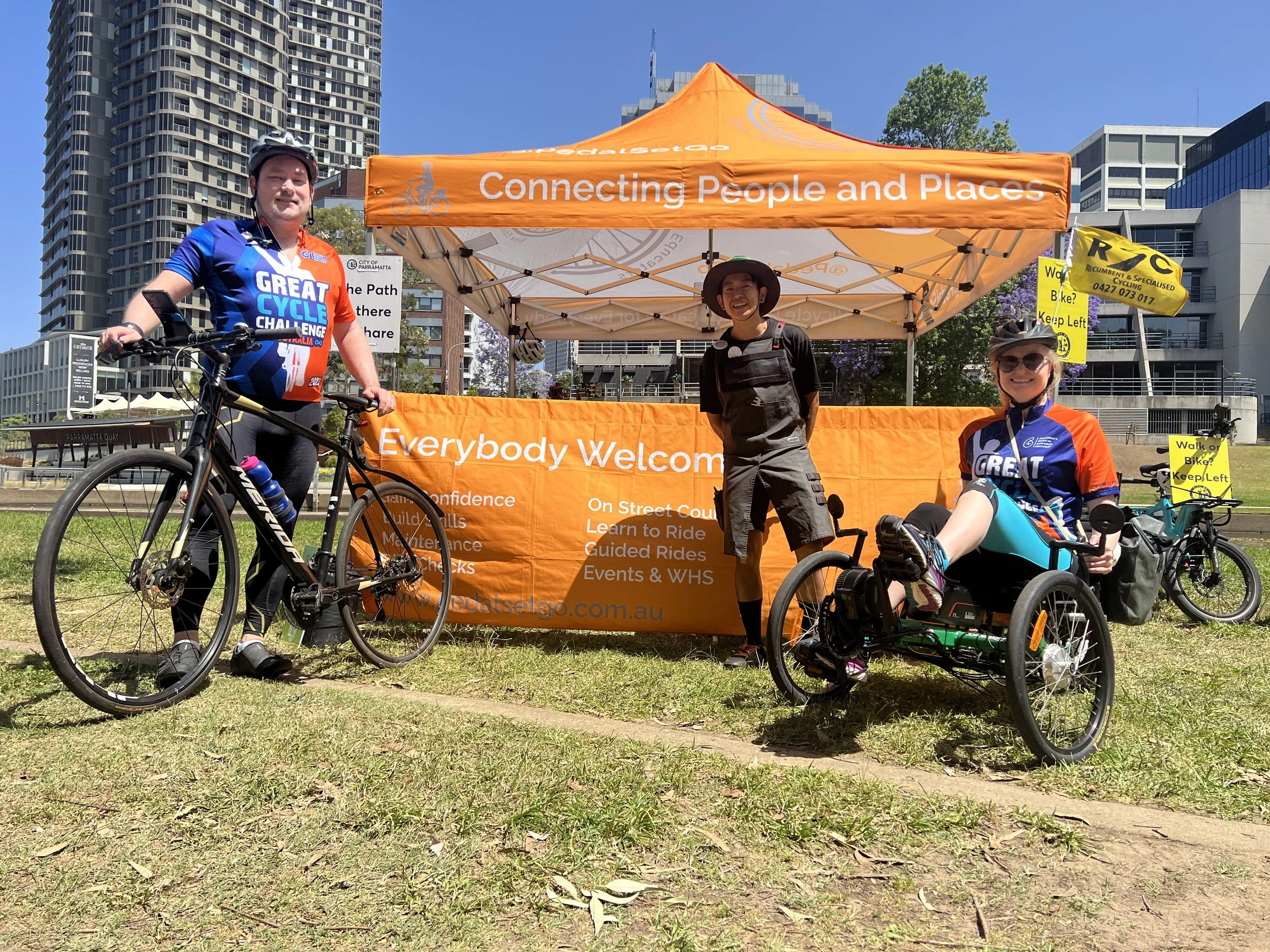
Are Tricycles Easier Than Bikes? What You Need to Know Before You Buy
Thinking of buying a tricycle because riding a bike feels too hard? Here’s what we’ve learned from working with real clients — and what to know before you decide.
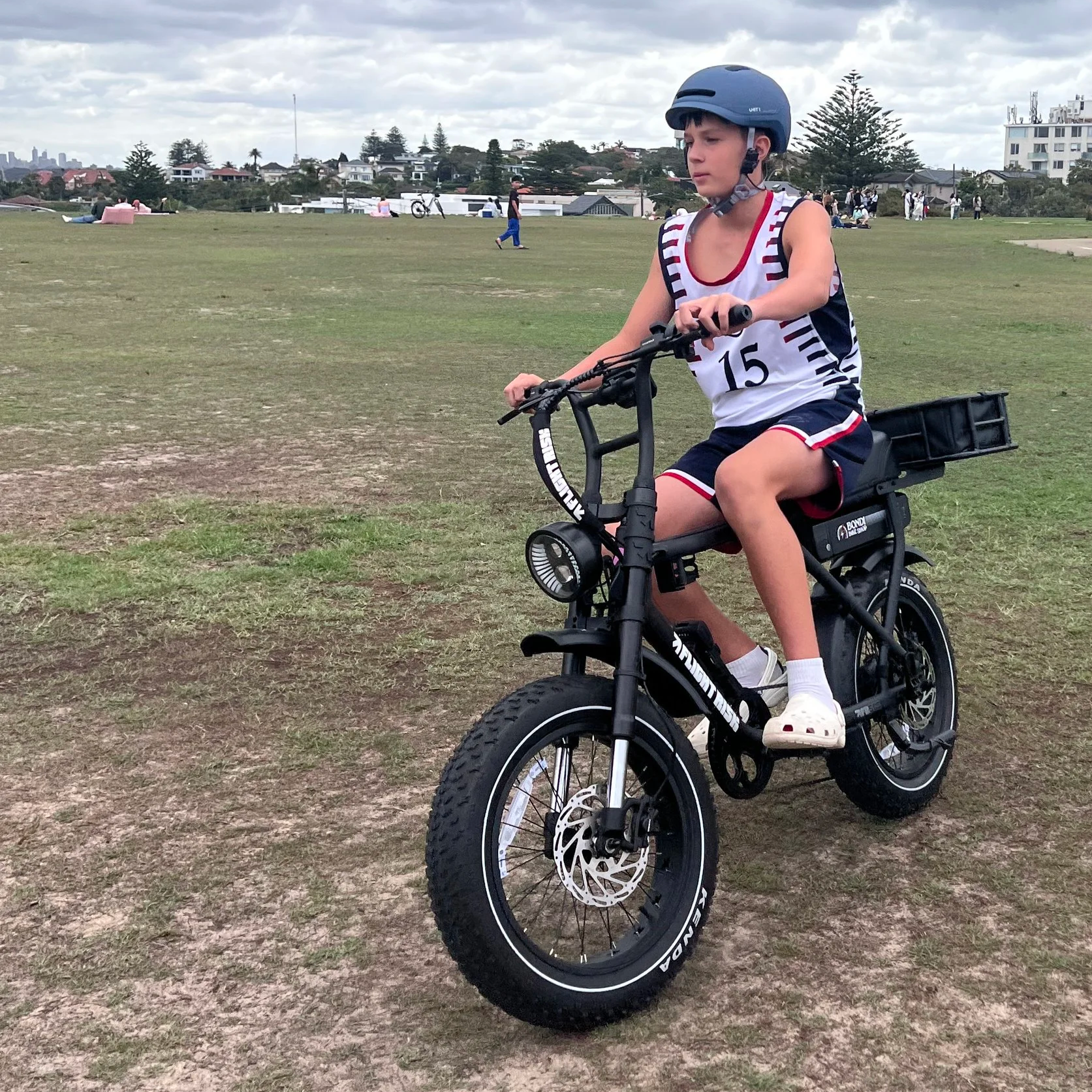
Why teenagers say they don’t need bike education (and what actually happens when they ride)
Teenagers often say they already know how to ride – but real-world bike and e-bike safety is more complex. Here’s what we’ve learned working with teens in Sydney.
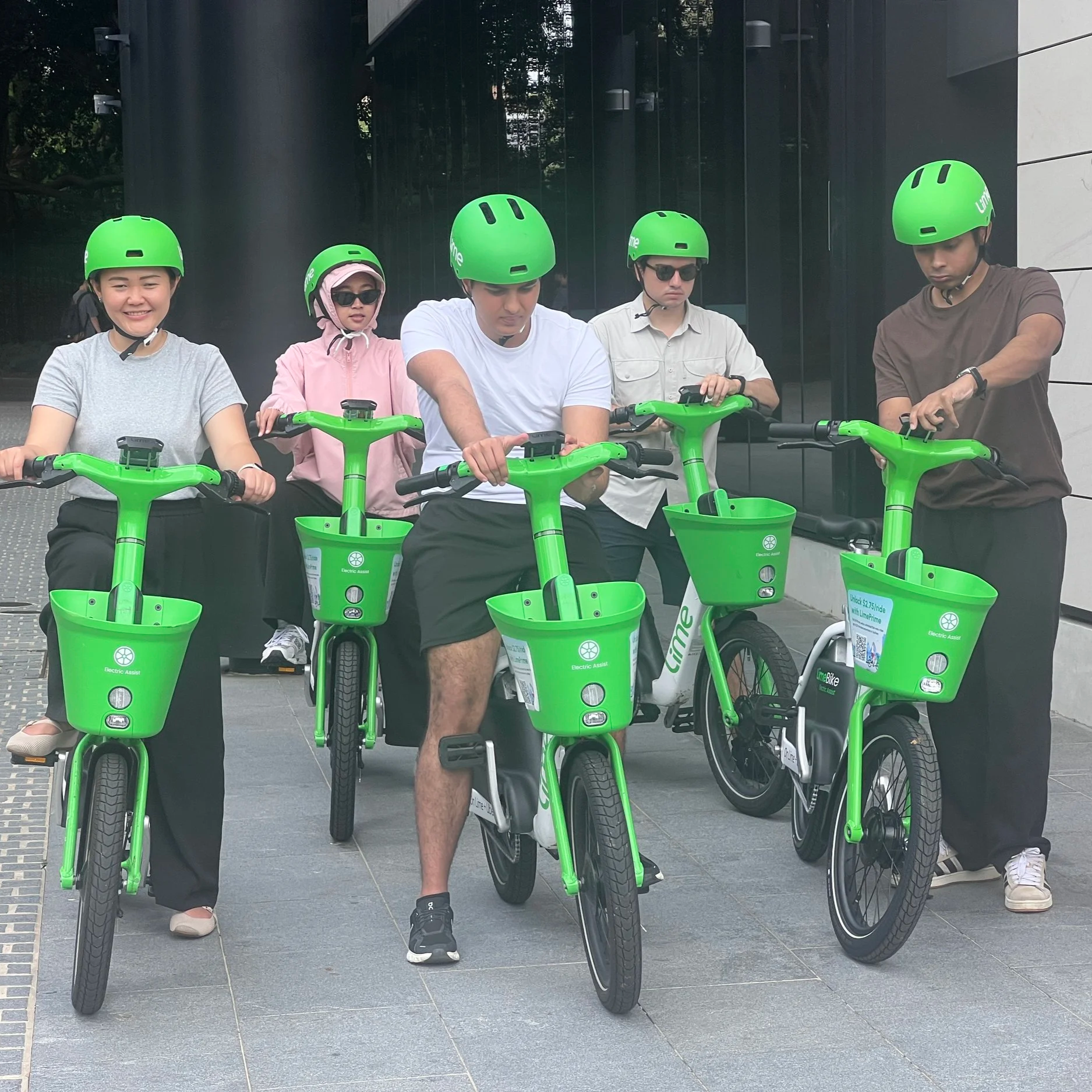
Do E-Bikes Need a Licence or Number Plate in NSW? (And Will It Improve Safety?)
Do e-bikes need a licence or registration in NSW? Learn the laws, safety issues, and why training—not number plates—may be the real solution.
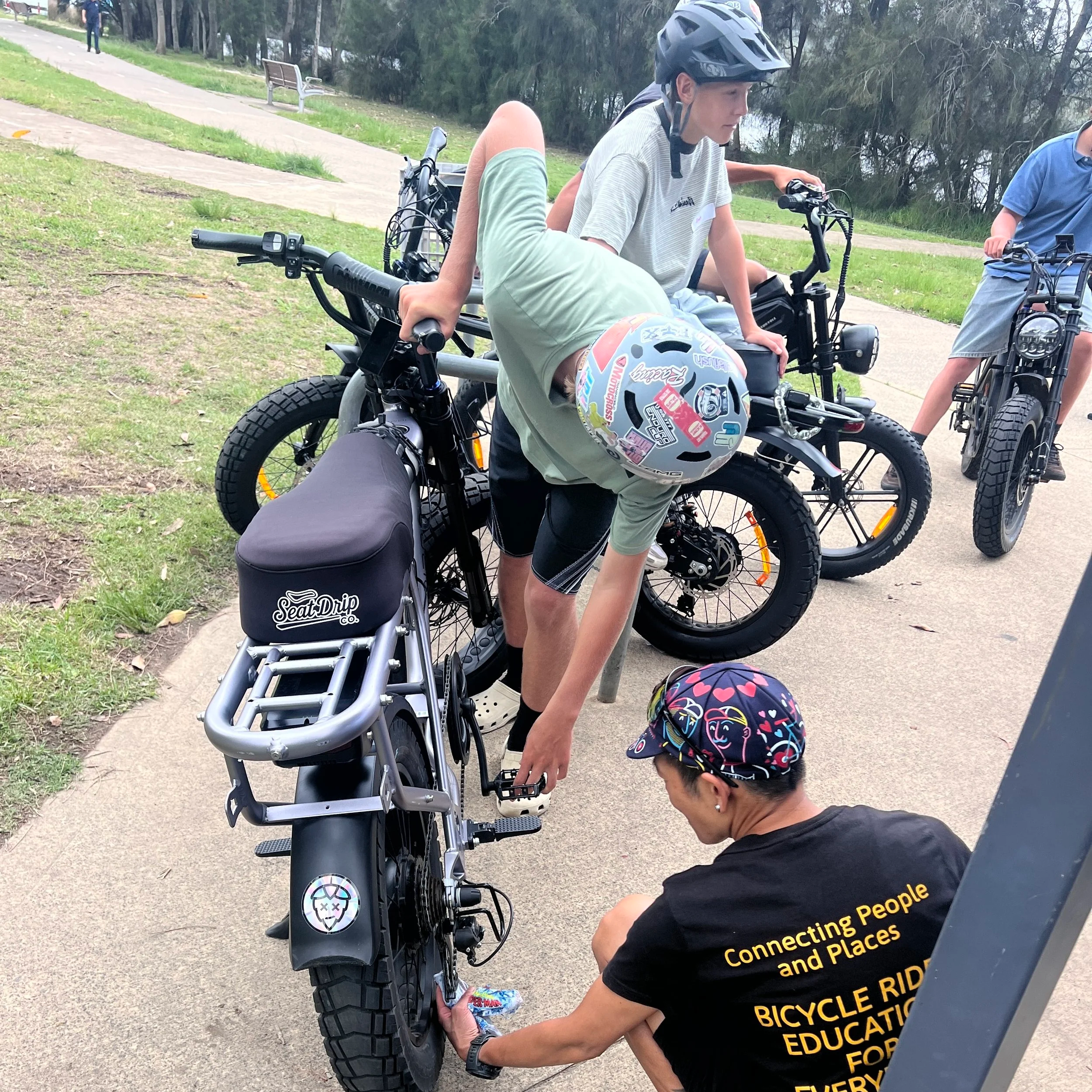
E-Bike Safety Programs for Schools & Councils NSW
Looking for e-bike safety programs for schools in NSW? Practical, face-to-face instruction that builds real riding skills, confidence and safer habits. A simple comparison between theory-based learning and practical instruction. The most effective programs don’t separate theory and practice — they integrate both.
E-bike safety course Sydney: is an online e-bike safety course enough?
Is an online e-bike safety course enough? Learn how face-to-face instruction in Sydney helps riders build real skills, safer habits and confidence on e-bikes.
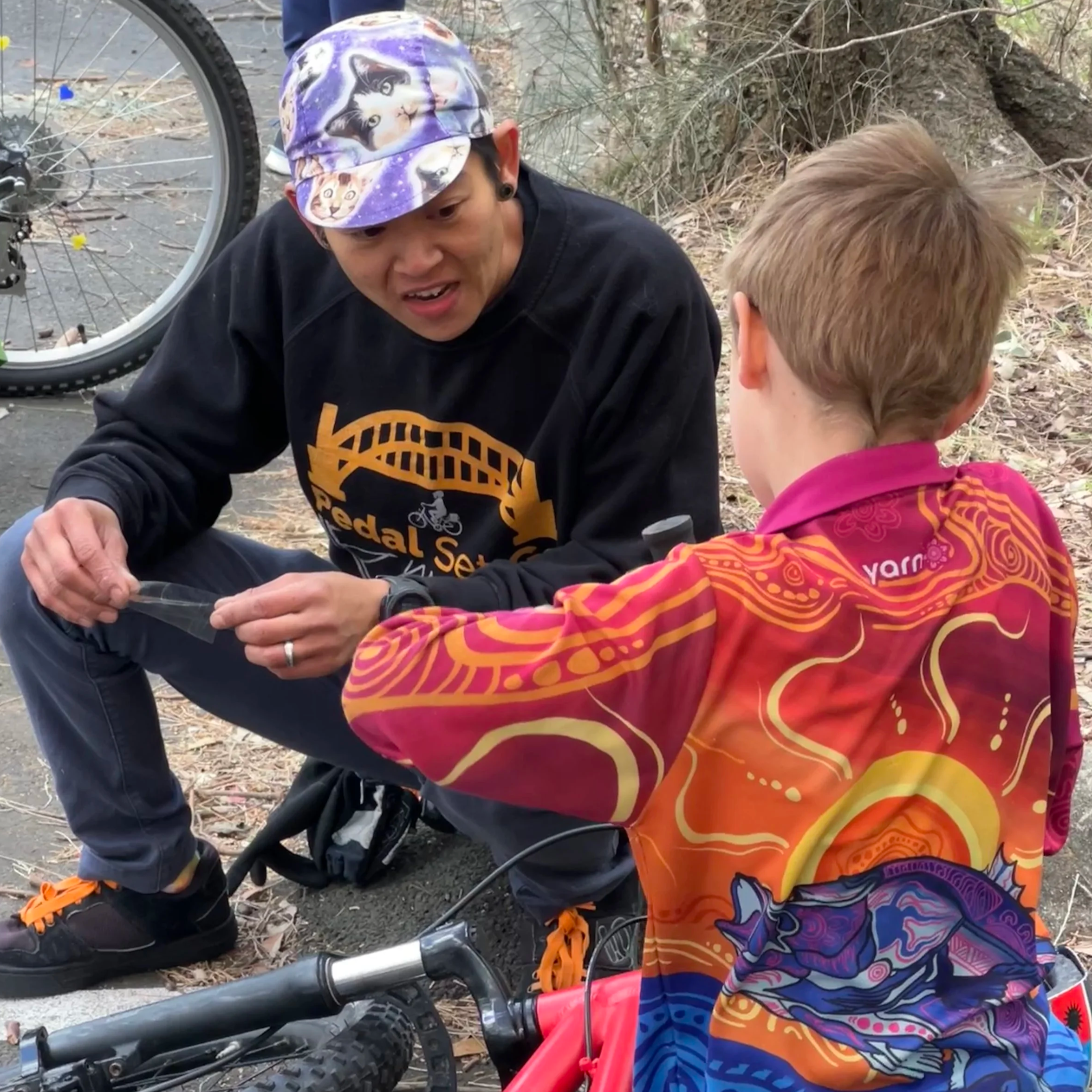
Can Neurodivergent People Learn to Ride a Bike?
Can neurodivergent people learn to ride a bike?
Yes — most neurodivergent people can learn to ride a bike with the right approach. Learning may take more time, different teaching methods, or a balance-first approach, but with patience, support and practice, most riders can successfully learn to ride a two-wheel bike.

Practical tips for new riders — build confidence one ride at a time
Getting pedalling is the hardest step — and it’s perfectly fine not to want to ride like an Olympian. This guide gives practical tips for new riders on saddle soreness, comfortable bike fit (yes — it’s OK to set the seat low), gears, braking and low-stress routes. If you’d like hands-on practice, join Back On Your Bike at our cycling training centre — a short, traffic-free session designed for everybody who rides for transport and comfort.